
"Ethiopian arabica"
2000 article(s) found
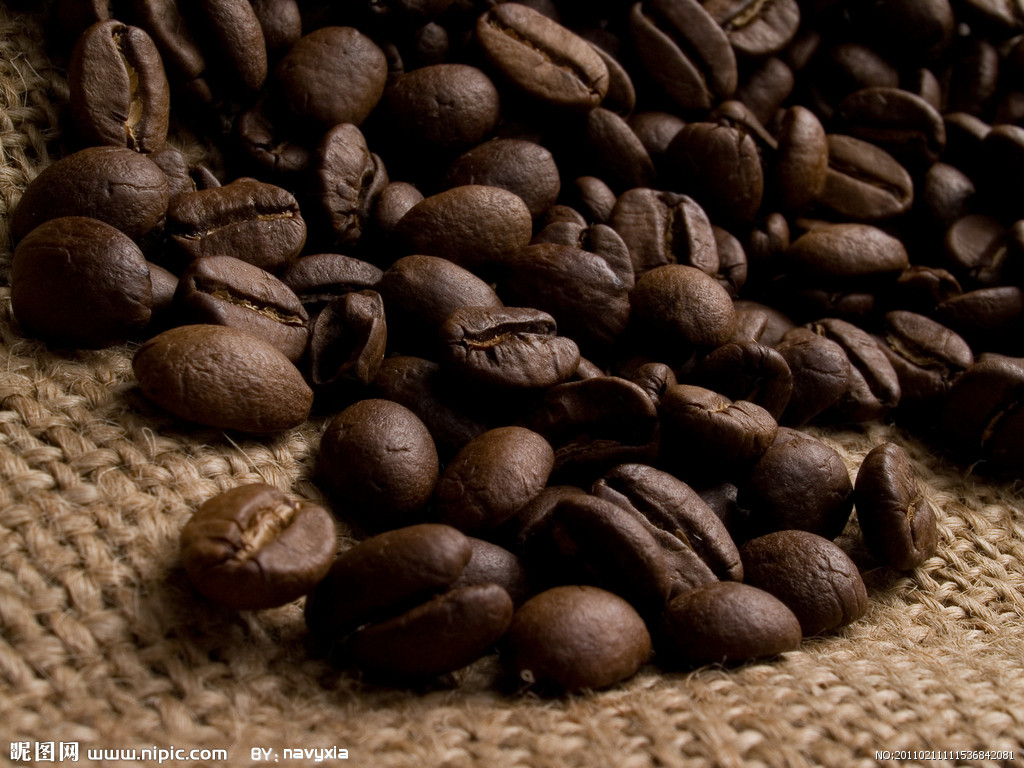
Arabica beans Arabica beans specialty coffee Country of origin Ethiopian coffee
The birthplace of Ethiopian coffee-Ethiopia. The coffee tree originated in Ethiopia, where it was originally a wild plant, and the name coffee comes from the Ethiopian town of Kaffa. In fact, many coffee trees in Ethiopia are still wild plants, and the coffee grown on this coffee tree is full of particles and slightly fragrant. human
A variety [Ethiopian Heirloom] Yirgacheffe evolved from Arabica species
Exchange of professional baristas Please pay attention to the coffee workshop (Wechat official account cafe_style) from the Arabica species evolved from the variety [Ethiopian Heirloom] Yirgacheffe Ethiopia Heirloom coffee population, can be said to be the most distinctive and delicious coffee in the world, the beauty of this variety lies in their mystery. They are wild flowers, from Ethiopia.

Arabica subspecies of Ethiopian coffee
Even the official research unit of Ethiopia does not know how many Arabica subspecies there are in Ethiopia. The coffee cooperatives in this mountain are certainly different from those planted in another mountain, and even small farmers in the same region grow different varieties of coffee. It has been estimated that there are at least 2000 varieties of Ethiopian coffee and even more than 4500 kinds of coffee. Compared to the southern neighbor Ken

Arabica coffee beans knowledge of Arabica coffee producing area which kind of Arabica coffee
Professional coffee knowledge exchange more information about coffee beans please follow the coffee workshop (Wechat official account cafe_style) the birthplace of Arabica coffee in Ethiopia. The coffee tree originated in Ethiopia, which was originally a wild plant here, and the name coffee comes from the Ethiopian town of Kaffa. In fact, many coffee trees in Ethiopia

Brief introduction of Ethiopian Coffee the hometown of Arabica Coffee
Lim G2 Ethiopia is the hometown of Arabica coffee, and you can see wild Arabica coffee in the forests of the Kaffa region. In Ethiopian, coffee is called Bun or Buna, and coffee beans (coffee bean) may be translated from Kaffa Bun. Arabica coffee has long been found in the Harald area, which is very accessible.

Unique Ethiopian Coffee Estate Boutique Coffee Bean Cultivation Location Climate Sea
Ethiopia is home to Arabica coffee, and it is in the forests of the Ethiopian Kaffa region that you can see Arabica coffee growing wild. In Ethiopian, coffee is called Bun or Buna, and coffeebean may be translated from Kaffa Bun. Arabica coffee was discovered early in the Harar area and is likely to come

The hometown of Ethiopian Arabica Coffee the grade of Ethiopian coffee
Professional coffee knowledge exchange more coffee bean information Please pay attention to the coffee workshop (Wechat official account cafe_style) afraid of insomnia, palpitations, drink decaf coffee is healthier? Are you worried about palpitations, insomnia, or switching to decaffeinated coffee because of pregnancy? When drinking coffee, you want to consume less caffeine, which is actually similar to the variety of coffee beans and the size of grinding particles.

What is Ethiopian coffee? What is the treatment of Ethiopian coffee?
Ethiopia is a professional coffee knowledge exchange more information about coffee beans Please follow the coffee workshop (Wechat official account cafe_style) Arabica Coffee is the hometown of Arabica Coffee, it is in the forests of the Kaffa region, you can see wild Arabica coffee. In Ethiopian, coffee is called Bun or Buna, and coffee beans (coffeebean) may come from

What do you recommend for Ethiopian Arabica beans Ethiopian coffee flavor
For more information on coffee beans, please follow Coffee Workshop (Wechat cafe_style) Wolichu Wachu ETHIOPIA Honeydew, Milk Chocolate, Sage, a single Ethiopian wine with aromas of white grape, black tea and whole wheat biscuits. The wine is juicy with hints of pecan, papaya and grapefruit. Cup

The origin and development of Ethiopian fine coffee beans
Ethiopian coffee beans

Ethiopian Arabica Coffee Sidama Region Lion King Coffee
Even the official Ethiopian research unit cannot say how many Arabicans there are in Ethiopia. Coffee cooperatives on one mountain certainly grow different varieties than those on another, and even small farmers in the same area grow different varieties of coffee. Some estimate that there are at least 2,000 varieties of Ethiopian coffee, and there are even more than 4,500 varieties. Compared to the southern neighbor, Ken

High-quality coffee flavor description of Ethiopian Yega Ficher Manor Coffee
Ethiopia is the hometown of coffee. If you don't think Ethiopian coffee is the best coffee in the world, you don't know enough about coffee. At present, there are three most important origin of coffee beans in the world, namely: Arabica, Robasta and Liberia. And many people don't know that this Arabica coffee tree accounts for 70% of the world's coffee production.

Fine coffee beans Ethiopian coffee Yega Sheffield coffee washed Arabica beans
Although the Ethiopian Yirgacheffe coffee is petite, it is gentle and delicate and sweet. As the hometown of coffee, thousands of years of planting history and processing tradition in Ethiopia have created high-quality washed Arabica beans. Light baking has unique sweet aromas of lemon, flowers and honey, soft acidity and citrus flavors, fresh and bright on the palate. No.

Ethiopian coffee beans, coffee beans
Ethiopia is home to Arabica coffee, and it is in the forests of the Kaffa region that you can see Arabica coffee growing wild. In Ethiopian, coffee is called Bun or Buna, and coffee beans may be translated from Kaffa Bun. Arabica coffee was discovered early in the Harar region, most likely from Karachi.

The culture of coffee the birthplace of coffee the famous Ethiopian mocha coffee Arabica coffee beans
The coffee tree in Ethiopia (Ethiopia) originated from Ethiopia (Ethiopia). It was originally a wild plant here, and the name coffee comes from the Ethiopian town of Kaffa. In fact, many coffee trees in Ethiopia are still wild plants, and the coffee grown on this coffee tree is full-grained and slightly alcoholic. Humans may have been around as early as the 9th century.

Flavor characteristics of Ethiopian Fine Coffee Ethiopian Coffee
Ethiopia is the hometown of Arabica coffee, and it is in the forests of Kaffa that you can see wild Arabica coffee. In Ethiopian, coffee is called Bun or Buna, and coffee beans (coffeebean) may be translated from Kaffa Bun. Arabica coffee was discovered early in the Harald area, probably from Kafa.

Introduction to the method of Flavor description, Grinding Calibration and Variety treatment in Shaqiso producing area of Ethiopian Coffee
Ethiopian Coffee Coffee Shachiso Flavor description Grinding Calibration Variety treatment method introduces the grade of Ethiopian coffee: Ethiopian washed coffee Yega Xuefei G1 G2 Sidamo (Yirgacheffe, Sidamo) the highest grades are grade 2 and 3 (G2, G3), and most of the sun-processed coffee in eastern Ethiopia are grade 4 or 5 (G4, G5).

Ethiopian Coffee introduction Coffee beans Coffee processing Coffee Flavor Ethiopian Coffee details
Ethiopia is the hometown of Arabica coffee, and it is in the forests of Kaffa that you can see wild Arabica coffee. In Ethiopian, coffee is called Bun or Buna, and coffee beans (coffeebean) may be translated from Kaffa Bun. Arabica coffee was discovered early in the Harald area, probably from Kafa.

Ethiopian boutique coffee introduces boutique coffee beans characteristics of Ethiopian boutique coffee
Ethiopia is the hometown of Arabica coffee, and it is in the forests of Kaffa that you can see wild Arabica coffee. In Ethiopian, coffee is called Bun or Buna, and coffee beans (coffeebean) may be translated from Kaffa Bun. Arabica coffee was discovered early in the Harald area, probably from Kafa.
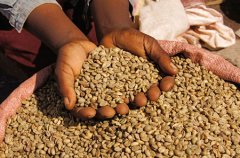
Ethiopian boutique coffee introduces Ethiopian boutique coffee to grow African Arabica coffee
Ethiopia is one of the major producers of Arabica coffee in Africa, producing the best Arabian coffee in the world. It is said that coffee was first discovered by shepherds in Essekafa, and the name of coffee evolved from Kafa, so Essex is still the hometown of coffee. The geographical environment of coffee production and processing is very suitable for coffee growth. Coffee is mainly cultivated.